Did you know that the pet industry is booming, with pet owners increasingly willing to spend on unique services and products? Enter the world of pet portrait entrepreneurs-creative individuals who transform their passion for animals into a thriving business. This niche allows not only for artistic expression but also for the creation of cherished keepsakes that celebrate the bond between pets and their owners.
Many aspiring entrepreneurs share the dream of turning a beloved hobby into a source of income. However, navigating the path to success can be challenging, filled with both inspiring victories and daunting setbacks. By exploring the journey of pet portrait entrepreneurs, you’ll discover how they blend artistic talent with business acumen, turning their creative visions into profitable ventures.
Whether you’re an artist, a pet lover, or someone looking to pivot into entrepreneurship, understanding this vibrant world can spark ideas and motivate you to pursue your passion. Join us as we delve into the vibrant realm of pet portrait entrepreneurship, unlocking secrets to success and creative fulfillment.
What Drives Passion for Pet Portraits?
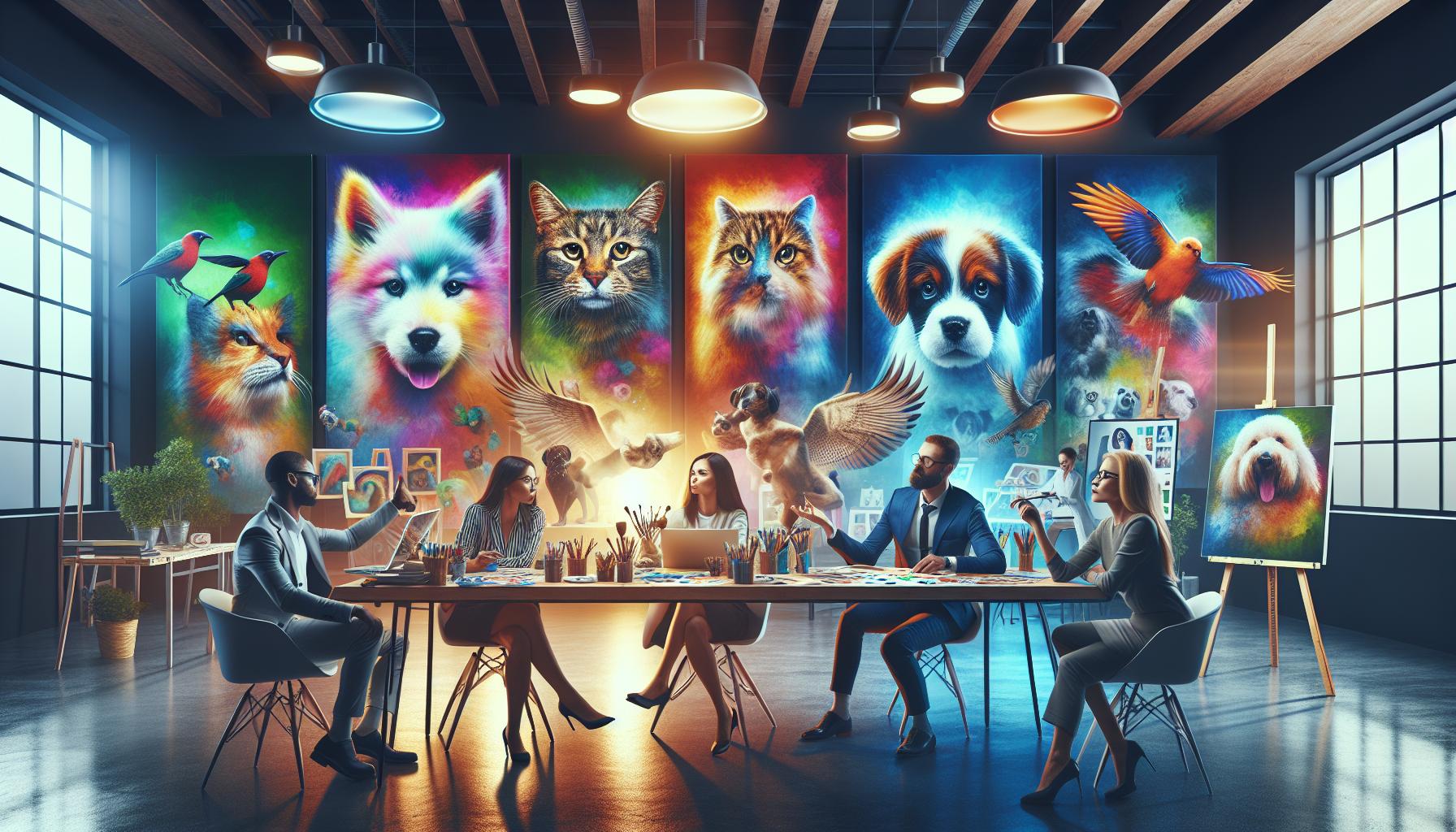
The allure of creating pet portraits goes far beyond just capturing a likeness; it embodies a deep emotional connection between the artist and the pets they represent. For many artists, the passion for pet portraits stems from their love for animals and the joy they bring to our lives. As an artist, you’re not just recreating a pet’s image; you’re immortalizing memories, celebrating the bond between pet and owner, and honoring the unconditional love that pets provide. This emotional depth not only drives creativity but acts as a powerful motivator to pursue art as a full-time profession.
One compelling example is Melissa Smith, who passionately combines her talent for art with philanthropy. Each commissioned portrait she creates helps support non-profit pet rescues, allowing her clients to contribute to a greater cause while cherishing their pets’ memories. This dual purpose ignites her passion, creating a cycle where personal fulfillment drives professional success. Artists like her remind us that passion can be multifaceted-it can stem from love for animals, the joy of making people happy, or a commitment to social impact.
Determining what fuels your passion is crucial. Reflect on your connection to animals and how it translates into your artwork. Are you inspired by the playfulness of a dog that has a unique spirit? Or is it the serenity in a cat’s gaze that captivates your brushes? Ensuring your art is an extension of your personal experiences and emotions resonates more profoundly with potential clients. When they see your work, they should feel the same warmth and connection that you experienced while creating it.
Ultimately, channeling your passion into pet portraits is about understanding the significant emotional roles pets play in their owners’ lives. By combining this insight with your artistic skills, you can create not just portraits that adorn walls but heartfelt representations that celebrate the joy and love pets bring into our lives. This deep emotional connection can lead to a fulfilling business that not only brings personal satisfaction but also shares the joy of pet companionship with others.
Identifying Your Unique Artistic Style
Art is often a deeply personal journey, and for pet portrait entrepreneurs, their unique artistic style is the canvas through which their passion for animals and creativity manifests. For many artists, distinguishing their style can feel daunting, but it is a crucial step in creating a recognizable brand. A distinctive style not only sets you apart in a crowded market but also attracts clients whose values resonate with your artistic vision.
To begin uncovering your unique style, start by experimenting with various mediums and techniques. Do you prefer traditional oil paints or perhaps the vibrancy of pastels? Artists like Sarah L. found her niche by blending watercolors with digital art to create ethereal depictions of pets that reflect their personalities. Embrace trial and error; some of the most beloved styles in the pet portrait community emerged from intentional experimentation. Analyze your inspirations-animal documentaries, your own pets, or even floral motifs-and consider how to incorporate these elements into your work.
Next, delve into the emotional aspect of your art. What feelings do you want to evoke in your audience? Understanding this can guide you in defining an emotional narrative that aligns with your artistic style. Some artists focus on realism to capture lifelike expressions, while others may opt for a more whimsical approach that highlights the fun and playful nature of pets. For instance, David M. chose to portray his subjects with exaggerated features, which resulted in portraits that are not only visually striking but also radiate joy and personality.
Engagement with other artists and clients can also provide clarity. Join local art communities, social media groups, or online forums where you can share your work and gain feedback. It’s common to feel vulnerable during this process, but the insights from peers and your audience can provide invaluable perspectives on what resonates and what feels authentic to you. This iterative feedback can be instrumental in shaping a coherent artistic identity that speaks to both your vision and market demands.
Ultimately, is about merging your personal experiences, emotional insights, and technical skills. By reflecting on your journey and continuously refining your craft, you’ll cultivate a style that not only satisfies your creative urges but also attracts the right clients. The path of a pet portrait entrepreneur is paved with both challenges and triumphs, but by staying true to your artistic voice, you will build a fulfilling and financially rewarding career.
Building a Brand That Captures Hearts

Building a memorable brand is crucial for pet portrait entrepreneurs looking to connect with potential clients and turn their passion into profit. A brand is much more than just a logo; it’s the embodiment of your artistic vision and the emotional connection you forge with your audience. To create a brand that captures hearts, consider how your work resonates with pet lovers and what unique messages you want to convey through your art.
Start by crafting a compelling brand story. This narrative should encapsulate your journey as an artist and your love for pets. For example, Sophia, a successful pet portrait artist, began her career after rescuing a dog named Max, who inspired her to capture the beauty and uniqueness of pets through her art. Sharing stories like these creates an emotional bridge between you and your audience, making your art more relatable and engaging. Your story can be featured on your website and across social media platforms, inviting clients to connect not just with your art, but with you as a person.
Next, ensure that your visual branding reflects your artistic style. Choose a color palette, fonts, and imagery that communicate the essence of your art. If your portraits are vibrant and playful, your branding should echo these qualities through bright colors and whimsical designs. Use consistent branding across all platforms-your website, business cards, and social media-to establish recognition and trust. Consider the successful journey of Mark, whose cohesive branding, with a playful mascot dog in his logo, made his portraits instantly identifiable and loved by pet enthusiasts.
Customer engagement is another pillar of building your brand. Encourage clients to share their own pet stories or photos alongside their commissioned portraits on social media. This not only showcases your work but also positions your clients as part of your brand community. Implement strategies such as hosting contests or featuring client pets in promotional materials, creating a sense of shared love for animals. By valuing your clients’ contributions and experiences, you build loyalty and foster a vibrant community around your art.
Finally, remember that building a brand is not a one-time effort but an ongoing journey. Regularly seek feedback from your audience and adapt your strategies as necessary. Take the time to analyze what resonates with followers and what elements of your brand could be strengthened. The path may be fraught with challenges, but by staying committed to your vision and nurturing your brand authentically, you’ll cultivate a lasting connection with your audience that turns passion into profit.
Essential Tools and Materials for Pet Portraits
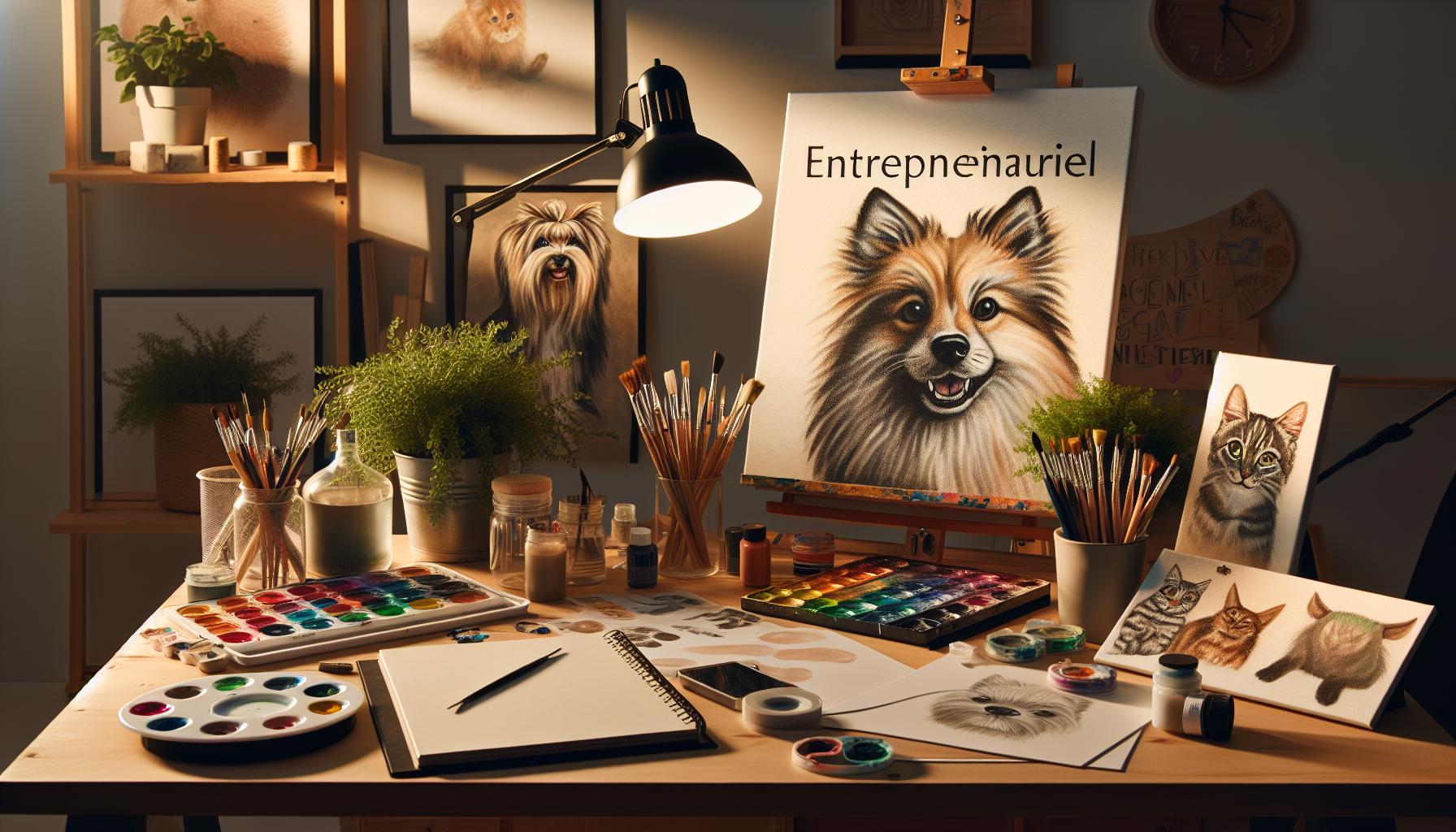
Creating beautiful pet portraits requires more than just artistic talent; it necessitates a toolbox filled with high-quality materials that can bring your vision to life. The right tools not only enhance the final outcome but also elevate your artistic process. By investing in essential equipment, you ensure that your passion for pet portraiture translates into captivating, professional results that resonate with clients.
To start, consider the medium you intend to work with. For traditional artists, a set of top-notch paints-whether acrylics, oils, or watercolors-is fundamental. Oils can provide rich texture and depth, creating lifelike representations, while acrylics offer vibrant colors that dry quickly and allow for layering techniques. If you’re leaning towards pastels or pencils, opt for high-quality brands that provide smooth application and rich pigments. For example, many professional portrait artists swear by brands like Winsor & Newton or Faber-Castell, which are known for their exceptional quality.
In addition to paints, having a robust set of brushes is crucial. Select a variety of shapes and sizes, including detail brushes for fine lines and broader brushes for larger areas of color. It’s not just the brushes themselves but how you care for them that can make a difference. Regular cleaning and proper storage can extend the life of your tools, maintaining their quality for each new commission.
For digital artists, the tools shift slightly. A reliable drawing tablet, such as those from Wacom or Huion, and quality software like Adobe Photoshop or Procreate offer the precision and versatility needed to create stunning pet portraits. Many digital artists have shared how their transition to digital painting into a full-time career was largely supported by investing in these technologies. For example, Jessica, a digital portrait artist, found that upgrading her tablet allowed her to increase her workflow and produce higher-quality images that her clients loved.
Lastly, don’t overlook the importance of the substrates you use to present your artwork. High-quality canvases or papers can significantly impact presentation, providing a professional finish that helps sell your work. Consider using eco-friendly options to align with a growing preference for sustainability in the art community, which can resonate with many clients who value environmentally conscious practices.
Equipped with the right tools and materials, you can confidently embark on your journey as a pet portrait artist. Just remember, mastering your craft takes time, and even the best tools are most effective when paired with continuous practice and creativity. With dedication and the right resources, your passion has the potential not only to thrive but also to flourish into a rewarding business.
Creating a Portfolio That Attracts Clients

Creating a captivating portfolio is essential for any pet portrait artist aiming to attract clients and spark their interest. A well-curated selection of your best work not only showcases your artistic skills but also tells a story about your unique style and approach. Start by gathering your most impressive pieces-those that highlight your ability to capture the essence of different pets. Focus on variety; include portraits of various breeds and styles, whether realistic, stylized, or even whimsical. This diversity will appeal to a broader audience, inviting potential clients to envision their own pets in your art.
Once you have selected your pieces, presentation is key. Consider using high-quality images and clean layouts to create a visually appealing portfolio. Online platforms, such as Instagram or your own website, can serve as excellent showcases for your work. For example, a pet portrait entrepreneur named Clara built her brand largely through a beautifully designed website with a dedicated portfolio page. Each piece featured high-resolution images accompanied by stories behind the paintings, allowing clients to connect emotionally with the artwork. This personal touch can make your portfolio more memorable and relatable.
Crafting Your Narrative
It’s not just about the visuals; the narrative behind each portrait can significantly enhance your portfolio’s appeal. Share anecdotes about the pets you’ve painted-what makes them unique, the personality traits you aimed to capture, and any special requests from the pet owners. This storytelling approach adds depth to your portfolio and helps clients see the artistry in your work beyond mere aesthetics. Furthermore, consider including testimonials from satisfied clients alongside their pet portraits, which can provide social proof and build trust with prospective buyers.
Lastly, continually update your portfolio as you create new works. Consistency in style combined with fresh pieces keeps your collection dynamic and reflects your growth as an artist. Additionally, seek feedback from fellow artists or clients to gain insights into which works resonate best with your audience. Remember, your portfolio is a living document that represents not only your current skills but also your artistic journey. With dedication and a keen sense of storytelling, you can create a portfolio that not only attracts clients but also captures their hearts.
Effective Marketing Strategies for Pet Portrait Entrepreneurs
In the world of pet portrait entrepreneurship, effective marketing strategies can make the difference between a hobbyist and a thriving business. The emotional connection pet owners have with their furry companions creates a unique marketplace, one where storytelling and authenticity shine. For example, consider Sarah, a pet portrait artist who transformed her passion into a successful venture. By leveraging engaging social media content, she shared not just her completed works but also behind-the-scenes glimpses into her creative process. This approach allowed her audience to form a connection with her artistry, inevitably driving commissions.
Utilizing Social Media Platforms
Social media is an invaluable tool for any pet portrait entrepreneur. Platforms like Instagram, Facebook, and TikTok are not only visually driven but also community-oriented, providing the perfect venues to showcase your work. Posting consistently and engaging with fellow pet lovers can significantly expand your reach. Create posts that encourage interaction, such as asking followers to share stories about their pets or voting on your next portrait subject. A well-placed hashtag strategy can also widen your visibility. Try custom hashtags like #PetPortraitsBy[YourName] or participate in trending themes to attract new followers.
Collaborations and Partnerships
Another powerful strategy is to collaborate with pet-related businesses. Partnering with local pet stores, grooming salons, or animal shelters for special events can introduce your work to a wider audience. For instance, hosting a ‘Pet Portrait Day’ at a local shelter not only helps your brand gain exposure but also showcases your willingness to give back to the community. This dual-benefit approach strengthens your brand image while captivating potential clients who appreciate businesses that make a difference.
Building an Email List
Don’t overlook the power of building an email list. This allows for direct communication with interested clients and pet lovers. Offer a sign-up incentive such as a free e-book on ‘Tips for Capturing Your Pet’s Personality in Photography’ or discounts on first orders. Regular newsletters can include not only your new artworks and upcoming promotions but also tips, pet care advice, or heartwarming stories related to pets. This consistent engagement fosters a loyal community and is instrumental in driving sales.
Showcasing Success and Client Testimonials
Utilizing client testimonials adds a layer of credibility to your marketing efforts. Encourage happy clients to share their experiences and photographs of their pets’ portraits on social media. Feature these stories on your website and social platforms to build trust and appeal to potential customers. Remember, every pet portrait you create is a chance to evoke connections, so make sure to share the emotional journeys behind them.
By incorporating these strategies and maintaining a genuine passion for your work, you can transform your love for pet portraits into a flourishing business that resonates with animal lovers everywhere. As you grow, remember to stay adaptable and continuously explore new marketing avenues; success often lies in the willingness to pivot and try what resonates with your audience.
Pricing Your Artwork: Finding the Right Balance
Determining the right price for your pet portraits can feel like navigating a minefield of emotions and market expectations. Balancing perceived value and production costs is crucial to your success as a pet portrait entrepreneur. It’s essential to recognize that each portrait is not just a product; it’s a cherished memory and a unique piece of art that holds significant emotional value for your clients. This emotional connection often means pet owners are willing to invest in their pets’ representations, but only if they feel the price accurately reflects the quality and uniqueness of the work.
To find that sweet spot in pricing, start by calculating your costs: materials, time spent on each portrait, and any other overhead costs should form the foundation of your pricing structure. For instance, consider the approach of Mia, an artist who specializes in custom pet portraits. She breaks down her pricing as follows:
| Item | Cost |
|---|---|
| Materials (paints, canvases) | $20 |
| Time (5 hours @ $25/hour) | $125 |
| Overhead Costs | $10 |
| Total Cost | $155 |
With this total in mind, Mia adds a markup that reflects her artistic value and the emotional resonance of her work. By studying competitors’ pricing, she finds similar pieces are sold for between $250 and $400 and confidently sets her price at $300-a number that both covers her costs and reflects the quality she offers. A small tip here is to introduce different pricing tiers based on details or size, giving clients options while also encouraging upsells.
Another crucial aspect of pricing your artwork is understanding your target market. Are they young professionals looking for affordable art, or are they affluent pet owners ready to splurge on a reminder of their beloved companions? Tailoring your prices and marketing to match this demographic can help you avoid common pitfalls. For instance, during a community art fair, you may offer a lower price for basic portraits to attract a wider audience while making sure to highlight your premium options for those seeking something exceptional.
Staying adaptable is key. Revisit and revise your pricing strategy based on feedback and sales performance. Don’t shy away from raising your prices if demand grows or your technique improves. Just remember the words of a successful entrepreneur in the pet portrait space, “You need to charge what you’re worth-your art embodies your unique perspective and the love you have for these animals, so don’t undervalue that.” As you navigate this pricing journey, focus on building relationships with your clients; they’re not just buying a portrait; they’re investing in a piece that embodies their love for their pets.
Leveraging Social Media to Grow Your Reach
In today’s digital age, social media is more than just a platform for sharing cute pet photos; it has evolved into a powerful tool for pet portrait entrepreneurs to expand their reach and connect with potential clients. Imagine a world where your art not only captures the essence of beloved pets but also circulates through feeds, reaching thousands of potential customers. Engaging effectively on social media can transform your passion for pet portraits into a thriving business.
To harness the full potential of social media, start by identifying which platforms resonate most with your audience. While Instagram is a natural fit for showcasing visual art, platforms like Facebook foster community engagement and direct interaction. Consider the following practical strategies:
- Create Compelling Content: Share behind-the-scenes glimpses of your artistic process, from initial sketches to the final product. Posts that reveal the journey can humanize your brand and attract an audience that appreciates your craftsmanship.
- Engage with Your Audience: Respond to comments, ask for feedback, and invite followers to share their own pet stories. This interaction fosters a loyal community that will advocate for your work.
- Utilize Hashtags Effectively: Research popular hashtags within the pet and art communities to ensure your posts reach a broader audience. Tags like #PetPortraits, #CustomArt, and specific breed tags can enhance discoverability.
- Run Contests or Giveaways: Invite your followers to participate in contests, offering a custom portrait as a prize. This can lead to increased engagement, new followers, and valuable exposure.
A notable success story in this realm is Emily, a pet portrait artist who leveraged Instagram to build her brand from the ground up. Initially, she posted her artwork sporadically, but once she began sharing her artistic process via time-lapse videos, her engagement soared. Emily also started collaborating with local pet influencers, who shared her posts with their followers, dramatically boosting her visibility.
Even the most inspirational stories come with challenges-standing out on social media can be daunting. It’s crucial to remain authentic and true to your style while being adaptable to trends. As you gain traction, track your analytics to understand what type of content resonates most with your audience. This data-driven approach will help refine your strategy and maximize your outreach efforts.
Ultimately, the combination of consistent engagement and high-quality content can transform your pet portrait business into a recognized brand within the pet-loving community. Embrace the journey, learn from each post, and watch as your passion leads to lasting connections and increased clientele.
Staying Motivated: Overcoming Challenges in the Art Business
In the world of pet portrait art, the journey is often as unpredictable as it is rewarding. For artists, the thrill of creating a beloved pet’s likeness is frequently coupled with the reality of facing self-doubt, fluctuating demand, and the occasional creative block. Staying motivated while overcoming these challenges is crucial to navigating the ups and downs of the art business. Take inspiration from Jessica, a dedicated pet portraitist who struggled during her early days; she often found herself comparing her work to established artists, leading to discouragement. However, Jessica learned to embrace her unique style and find motivation in small victories, such as positive feedback from clients that reaffirmed her talent.
Building resilience in the face of challenges involves implementing some practical strategies. One effective method is setting achievable goals. For instance, regard your artwork not just as a product but as an ongoing practice that you refine over time. Break your objectives into manageable steps-aim to complete one pet portrait per week, or commit to exploring new techniques one day a week. Celebrate each completed piece, no matter how small, and allow those accomplishments to fuel your passion and creativity.
Another vital aspect of staying motivated is fostering community connections. Share your struggles and successes with fellow artists, either online or in-person, to create a support network. Utilize social media to find groups dedicated to pet portraiture; platforms like Instagram can be nurturing grounds for artist friendships. Networking with others not only offers companionship in the often-lonely pursuit of art but also opens doors to collaborative opportunities that can reignite your creative fire.
Finally, consider adjusting your artistic environment. A tidy, inspiring workspace can do wonders for your mindset. Surround yourself with not just your artwork but also things that spark joy-pet photos, favorite quotes, or vibrant colors. Changing your physical space can lead to renewed creativity and a fresh perspective on your work. As you navigate the challenges of your artistic journey, remember that every setback can act as a stepping stone to greater achievements, much like Jessica, who eventually began to focus more on her growth than on comparisons to others, leading to significant success in her pet portrait endeavors. Embrace the process, remain steadfast, and let your passion shine bright amidst the challenges.
Customer Relationship Management for Artists
Building strong relationships with clients is the lifeblood of any pet portrait entrepreneur’s success. While creating beautiful art is essential, equally important is how you manage rapport and communication with those who appreciate your work. Imagine a scenario where you complete a portrait that captures not just a pet’s likeness but also its spirit, eliciting joy and satisfaction from the owner. This emotional connection can transform a simple transaction into a relationship that encourages repeat business and referrals, amplifying your growth in an ever-competitive market.
One effective approach to customer relationship management is adopting a proactive communication style. For instance, after securing an order, follow up with your client to discuss their vision, pet’s personality, or any specific details they wish to incorporate. This personalized touch not only helps refine your understanding of their expectations but also demonstrates your commitment to crafting a piece they’ll cherish. Sharing progress updates through photos or videos can further enrich the experience, making clients feel involved and valued throughout the artistic process.
Furthermore, establishing a feedback loop is crucial for continual growth. Post-delivery, reach out to clients for their thoughts on the finished portrait. A simple thank-you note, accompanied by a request for feedback, shows that you value their opinion and are eager to improve. Take a leaf from artists like Emily, who turned client feedback into an opportunity for innovation. By carefully listening to her customers’ comments and suggestions, she was able to refine her techniques and even develop new styles that appealed more to her audience, dramatically increasing her commissions in the process.
Employing social media as a platform for relationship management can amplify your reach and engagement. Create a space where clients can share their portraits once received, tagging you in their posts. This not only showcases your work but also fosters a sense of community among pet owners and animal lovers. Highlighting client stories or testimonials on your platforms can further humanize your brand, making it relatable and trustworthy to potential buyers.
In each interaction, remember that building a loyal clientele goes beyond just delivering artwork; it’s about creating an experience that resonates emotionally. Remain authentic, stay engaged, and be responsive to inquiries and concerns, and you’ll cultivate relationships that can lift not only your spirit but your business, like a well-loved pet beside you in a moment of joy.
Scaling Your Business: From Hobbyist to Full-Time Entrepreneur
Transitioning from a hobbyist to a full-time entrepreneur in the realm of pet portraits isn’t merely a leap; it’s a journey marked by strategic planning, emotional resilience, and a deep understanding of your craft. Imagine this: a talented artist named Sarah spent years painting beloved family pets while juggling a full-time job. One day, encouraged by friends and satisfied clients, she decided to turn her passion into a full-time venture. What started as a series of charming portraits for friends quickly transformed into an Instagram sensation, showcasing Sarah’s unique ability to watercolor the personality of each pet she captured.
The first step in scaling your business is to establish a strong foundation. Identify your unique artistic style and the niche within the pet portrait world that resonates with both you and potential clients. This could be anything from a digital illustration style to more traditional oil painting. Don’t shy away from experimenting with new techniques until you find what sets you apart. For instance, Sarah developed a recognizable style by focusing on the colors and textures that highlighted not just her subjects but also the environments they thrived in, creating a rich narrative within each piece.
Business Structure and Financial Planning
Next, consider the business structure that suits your ambitions. Whether you opt for a sole proprietorship or an LLC, understanding the legal and financial implications is crucial. Create a budget that encompasses materials, marketing, and overhead costs. Set clear financial goals, such as aiming to secure a specific number of commissions per month, which can help track your growth effectively. Sarah began tracking her income and expenses meticulously, ensuring she could reinvest in her business while also saving for future developments, such as a professional website or attending art fairs.
Networking and Building Community
Networking plays a vital role in scaling your pet portrait business. Engage with local pet communities and pet-related events; this can provide invaluable opportunities for exposure and word-of-mouth referrals. Collaborate with local pet shops or grooming salons, offering them incentives for promoting your work. Sarah found success by partnering with a local rescue organization to create a fundraising event where she provided a certain percentage of her portrait sales towards the animal shelter. This not only elevated her visibility but also aligned her business with a cause she deeply cared about.
Consistency and Quality Assurance
As you scale, maintaining the quality of your art while embracing new clients can be challenging. Focus on building a robust portfolio that showcases a variety of styles and pets. Quality assurance is necessary; consider pricing your work to reflect not only the cost of materials but also your time and skill. Sarah recognized the importance of consistent branding and presentation, leading her to develop a cohesive look for both her portraits and online presence. This involved standardizing the framing and finishes of her finished pieces, making her artwork instantly recognizable.
Scaling a pet portrait business requires not just talent but also a mindset geared toward growth and community engagement. Acknowledging that setbacks will occur-like missed commissions or fluctuating sales-will help prepare you mentally. Through her ups and downs, Sarah remained committed to her love for art, reminding herself of the joy it brought to her clients and their pets. With persistence, a solid strategy, and a genuine passion for what you do, your journey from hobbyist to full-time entrepreneur can flourish beautifully, becoming not only a source of income but also a rich tapestry of stories and connections.
Success Stories: Real Pet Portrait Entrepreneurs
The journey of pet portrait entrepreneurs is often filled with heartwarming stories of passion turning into a thriving business. One notable example is Sarah, who transformed her hobby of painting family pets into a full-time entrepreneurial venture. With a unique watercolor style that evoked the personality of each pet, Sarah initially received commissions from friends. Her artistic journey caught fire on social media, where her engaging posts showcased not just her artwork but her connection with the pet community. Recognition didn’t come overnight; it required dedication, continuous improvement, and a willingness to share her personal story.
These entrepreneurs often face challenges, such as finding clients and managing their business. For instance, another successful artist, Mark, struggled with self-doubt regarding pricing his work. He initially undervalued his art, leading to frustrations and few sales. After attending workshops and connecting with other artists, he learned the importance of pricing his work according to its value rather than perceived worth. This realization transformed his approach, and his revenue increased substantially as he began to attract clients who appreciated quality.
Successful entrepreneurs in this niche exemplify resilience and adaptation. They cultivate their unique styles while constantly engaging with their community. By participating in local events, collaborating with pet-related businesses, and leveraging social media, they create a network of support and visibility. Lisa, a talented digital artist, shares her creative process online, inviting followers to witness her work evolve. This not only keeps her audience engaged but also fosters a sense of belonging among pet lovers who share stories about their animals, creating a tightly-knit community.
If you’re aspiring to join their ranks, remember that your artistic journey is uniquely yours. Draw inspiration from others, but always infuse your personality and experiences into your work. Seek feedback, embrace constructive criticism, and celebrate both small wins and big milestones. The road may be winding, but with patience, creativity, and a genuine love for what you do, your passion for pet portraits can flourish into a fulfilling and profitable venture.
Faq
Q: What skills are essential for a successful pet portrait entrepreneur?
A: Key skills for a successful pet portrait entrepreneur include strong artistic ability, effective communication, marketing knowledge, and customer relationship management. Developing a unique style and building a portfolio are equally important for attracting clients and differentiating yourself from competitors.
Q: How do I price my pet portraits competitively?
A: To price your pet portraits competitively, calculate your costs, including materials, time, and overhead. Research similar artists’ pricing to understand market rates, but ensure your prices reflect your unique skill level and the quality of your work. Consider offering introductory discounts to attract initial clients.
Q: What marketing strategies work best for pet portrait artists?
A: Effective marketing strategies for pet portrait artists include leveraging social media platforms, participating in local art fairs, and collaborating with pet-related businesses. Sharing customer testimonials and showcasing your work through engaging posts can help you reach a broader audience and build a loyal customer base.
Q: How can I leverage social media as a pet portrait entrepreneur?
A: Use social media to showcase your pet portraits, share behind-the-scenes content, and engage with potential customers. Platforms like Instagram and Facebook are ideal for visually sharing your art. Regularly posting engaging content can help increase your visibility and attract clients to your business.
Q: What should I include in my pet portrait portfolio?
A: Your portfolio should include a diverse range of your best work, showcasing different styles and types of pets. Incorporate high-quality images, client testimonials, and before-and-after shots if applicable. A well-curated portfolio can effectively demonstrate your skills and attract potential clients.
Q: How can storytelling enhance my pet portrait business?
A: Storytelling can enhance your pet portrait business by creating emotional connections with potential clients. Share the stories behind your portraits, including the personalities of the pets and the relationships with their owners. This approach not only engages customers but also makes your art more memorable.
Q: What challenges do pet portrait entrepreneurs commonly face?
A: Common challenges for pet portrait entrepreneurs include managing fluctuating workloads, dealing with client expectations, and maintaining motivation during busy or slow periods. Establishing a routine, seeking support from fellow artists, and setting clear boundaries can help overcome these obstacles.
Q: When is the best time to start a pet portrait business?
A: The best time to start a pet portrait business is when you feel confident in your artistic skills and have a plan for marketing and client acquisition. There’s no perfect timing, so consider starting part-time while building your portfolio and customer base, allowing you to minimize risk.
In Conclusion
As you explore the vibrant world of pet portrait entrepreneurship, remember that your passion can truly transform into profit. Success stories of artists who started just like you illustrate that with creativity and perseverance, you can build a fulfilling business that celebrates the beloved pets in our lives. Don’t hesitate to dive into resources such as our comprehensive guide on marketing your art or tips for enhancing your online presence to elevate your journey further.
Ready to take action? Consider signing up for our newsletter to receive exclusive insights and success stories that will empower you to push forward. Join community discussions or share your thoughts below-your journey might inspire someone else! Harness the excitement of the moment and begin crafting your art today; the pet portrait market is waiting for your unique touch. Explore more about effective pricing strategies or learn how to set up your first online shop. The path to turning your passion into profit awaits-let’s embark on this adventure together!